Reuse and storage
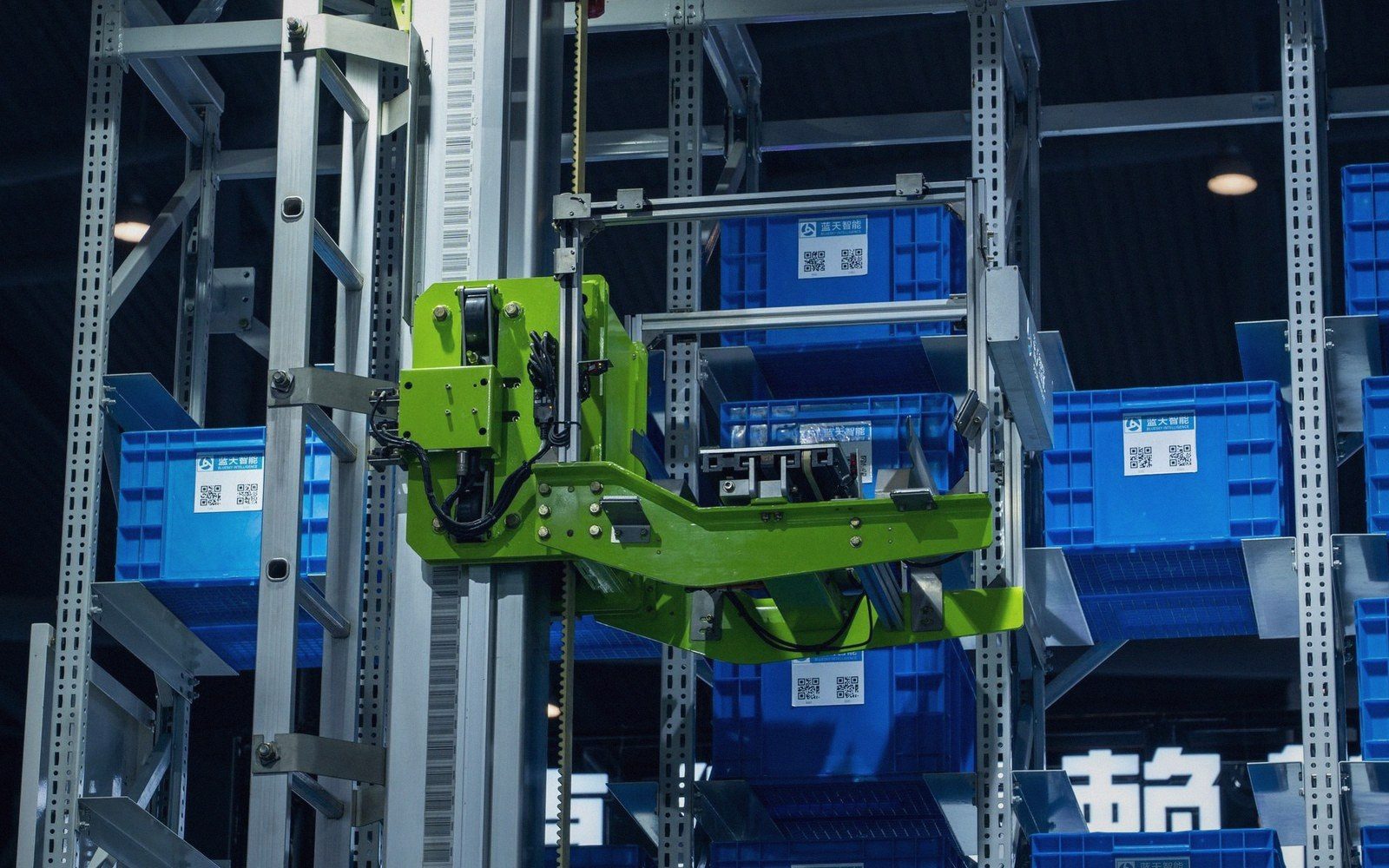
What is worth keeping is decided by volume, not by what it cost to make.
Photo: Peter Xie / PexelsThe decision is made by the cubic metre, not the invoice
A stand comes down and someone has to decide, right there on the floor with the clock running and the bay booked, what goes back on the truck. The instinct is to keep everything that cost money. The discipline is to keep only what earns its freight.
Volume is the controlling variable. A custom-routed fascia panel that cost four hundred euros to produce takes up the same floor space in a warehouse as one that cost forty. Storing it costs rent, handling, reloading. Unless the geometry matches the next stand — the same pitch, the same reveal depth, the same finish — it is deadweight. Modular framing from a rented system returns to the supplier; that calculus is already made. What remains is the client-specific material, and that is where judgment collapses under time pressure.
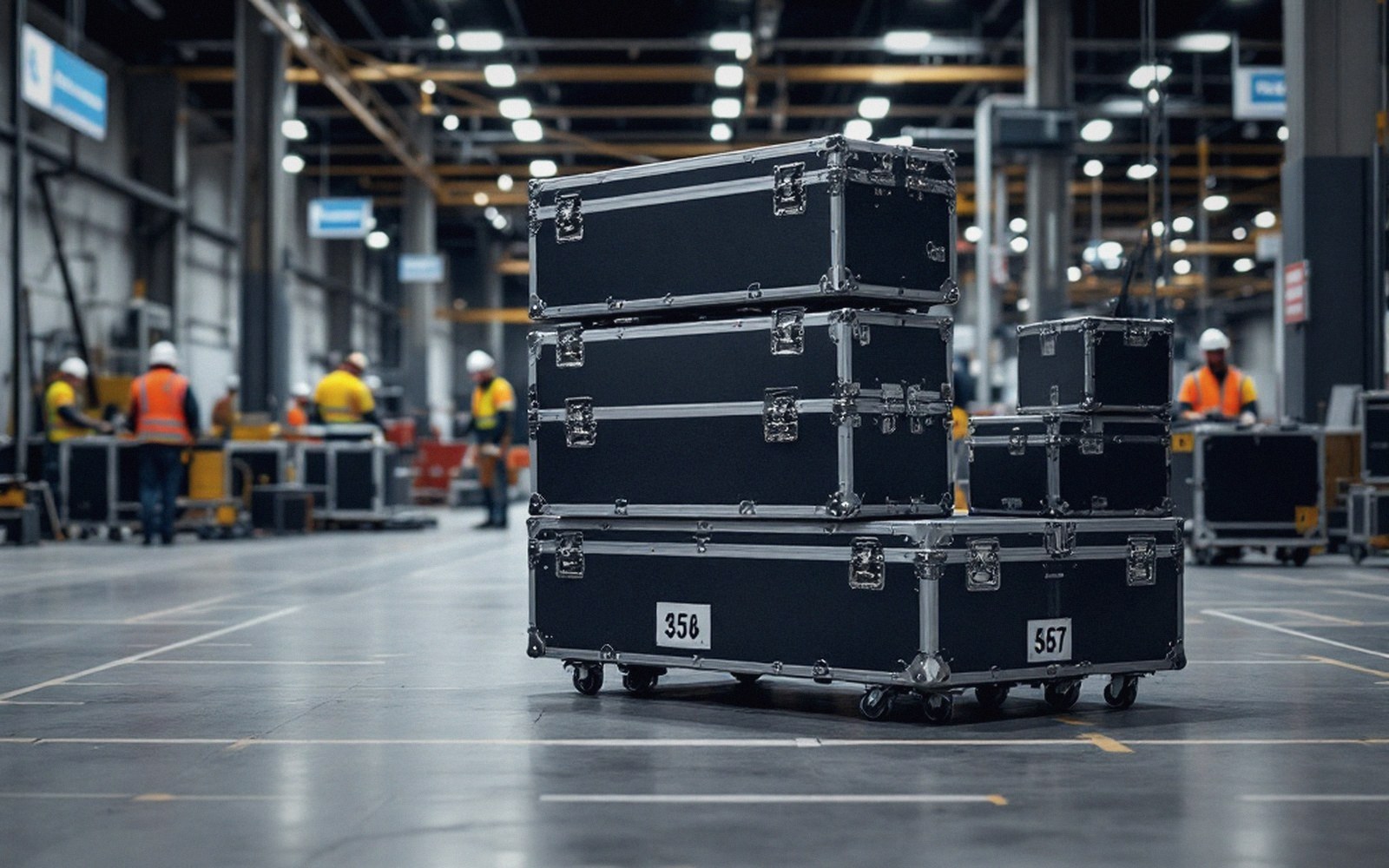
A case that stores flat is worth more than a panel that stores upright.
Printed graphics almost never come back. The format changes, the campaign changes, or the surface is damaged at the seams during strike. Vinyl that was applied dry and peels cleanly might survive one more cycle; vinyl applied wet and forced off the substrate rarely does. Either way, if the artwork has changed, the question is moot. The print goes to waste — which is where most of it ends at current reuse rates.
Structural timber, steel bases and hardware are worth staging: group by type on the floor, label the flight cases before they are sealed, and photograph everything. The photograph is not sentiment; it is the only reliable inventory that survives the chaos of a one-day strike. Anything unlabelled at load-out will be unrecognisable in a warehouse six months later.
The honest conversation with the client happens before the show, not during strike. If a stand is designed with a second outing in mind — same hall, same footprint, same campaign — that intention has to show in the construction: fixings that release cleanly, surfaces that do not rely on site-applied paint, crates sized to the pieces they hold. Retrofit storage planning onto a stand designed purely for one show and you are carrying cost for sentiment.
What survives reuse is the structure that was built to be reused. Everything else survives only the first strike.

The hall has to be empty by a fixed hour, whatever is still worth keeping.
Photo: Jonathan Cooper / Pexels