Waste
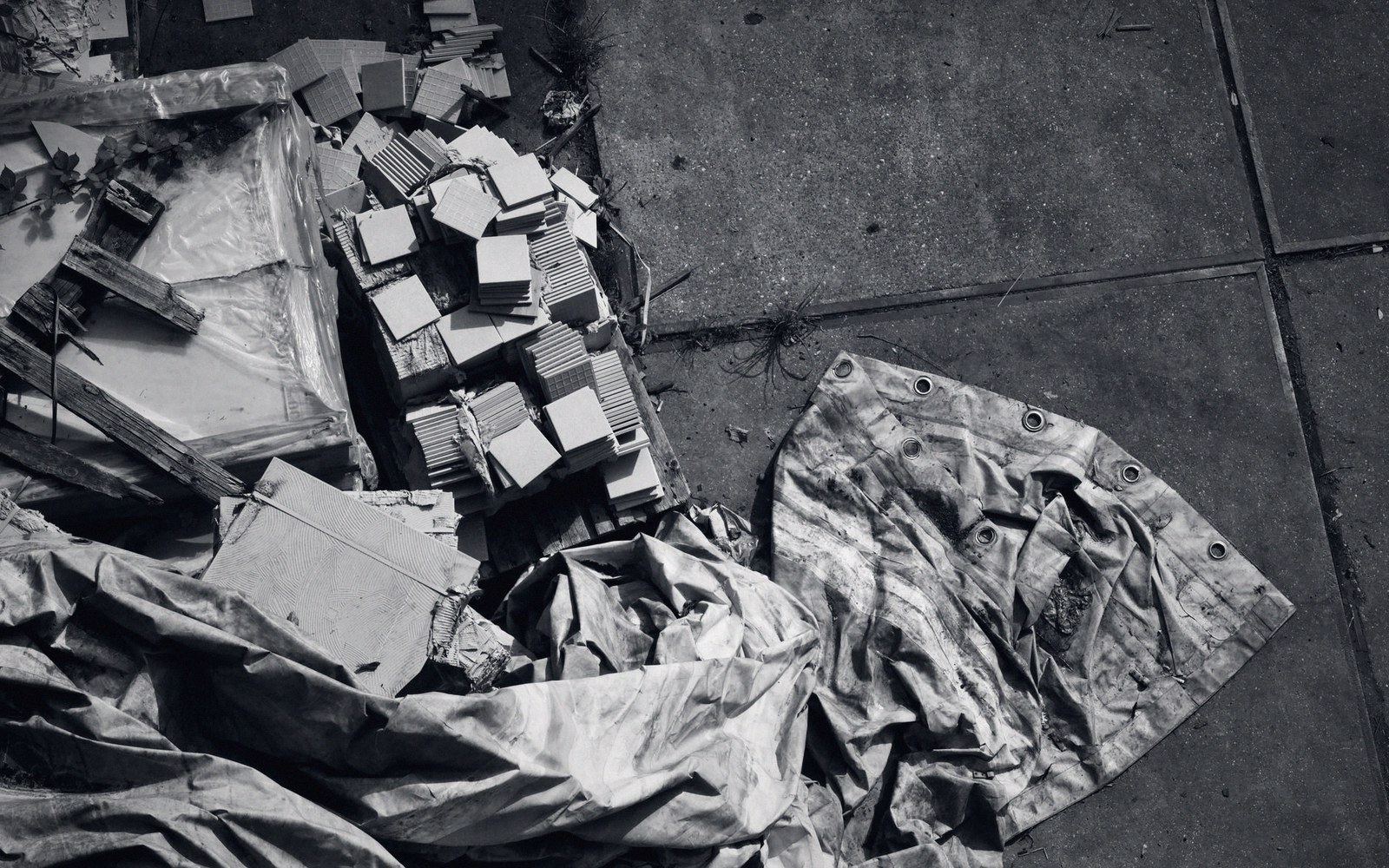
Carpet and printed graphics are the two things almost never used twice.
Photo: Peter Dyllong / PexelsEvery exhibition leaves a skip
The strike of any stand produces two waste streams so predictable they barely get questioned: carpet and printed graphics. Both are almost never reused, and between them they account for a significant share of the solid waste a large stand generates.
Carpet gets laid fast, often bonded to a raised deck with double-sided tape, and pulled up in strips that tear. The adhesive residue makes it unusable for a second show even when the weave is undamaged. Most exhibition carpet is a lightweight, needle-punched polypropylene — cheap enough that renting and disposing is costed as a single line item, recycling rarely is. Some venues have take-back agreements with flooring contractors, but these are venue-specific and far from universal. Off the stand, the bulk goes to landfill.
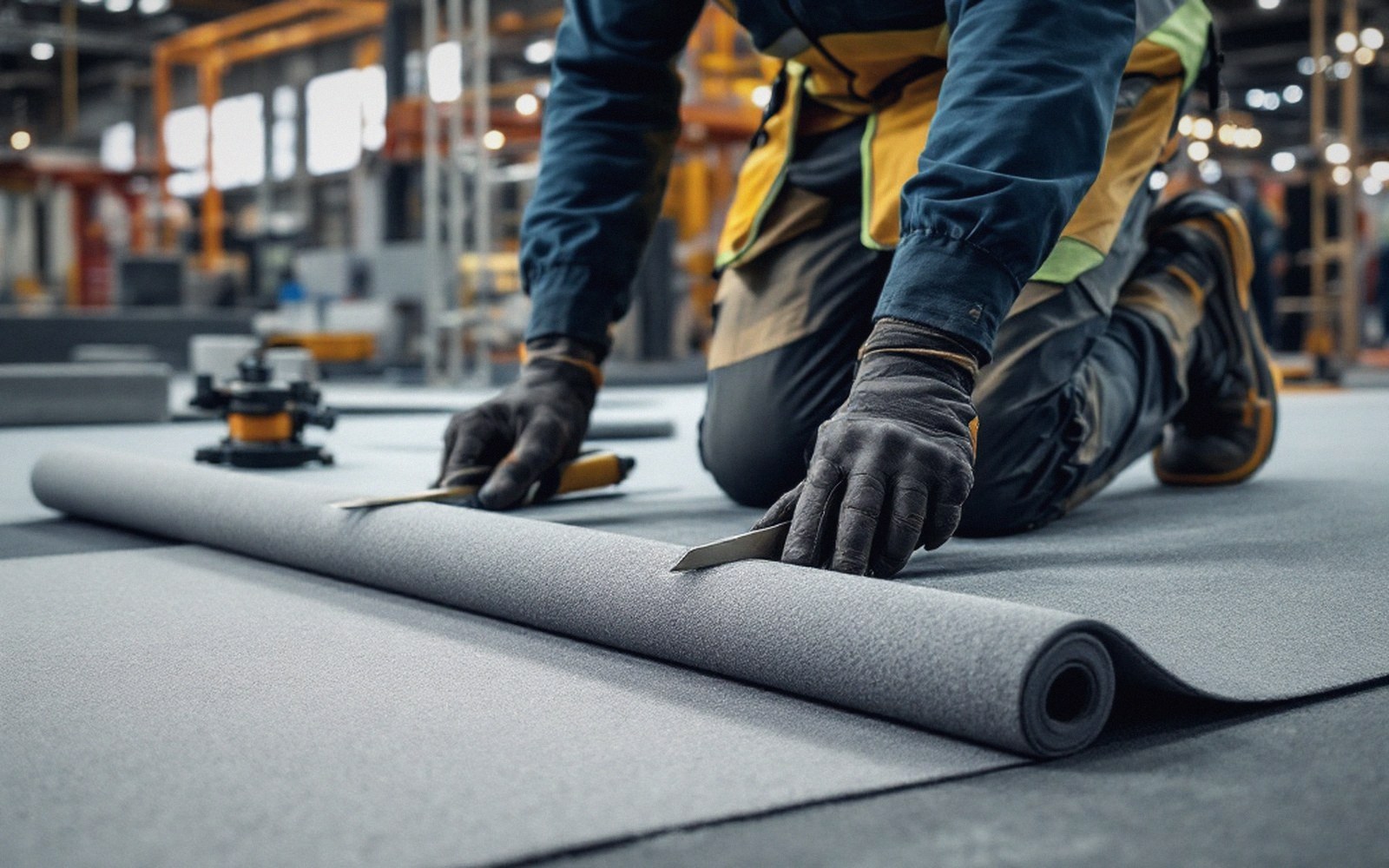
Carpet is laid once, walked on for four days, and lifted as waste.
Printed graphics are the other category. A large-format fabric print or a PVC banner is specific to one campaign: the messaging, the event colour, sometimes the show date is baked into the artwork. Even when the print substrate is technically reusable — some fabrics are — the graphics render it obsolete. Rigid foamboard and Foamex panels are almost never taken back into a stock-build; the size is wrong, the surface is marked, the holes drilled for fixings compromise anything decorative. The skip is quicker.
The decisions that determine waste volume are all made before load-in. Specifying stretch fabric over PVC banner doesn't reduce graphic waste much, but it does change the skip weight significantly and opens a reuse path for the frame. Choosing a modular flooring tile over bonded carpet means individual tiles can be inspected, cleaned and returned to store — the raised deck already paid for, the surface potentially salvaged.
None of this is complicated. The problem is that waste decisions are made at the design stage and the cost of disposal is paid at the strike stage, by different people. The builder skipping the carpet has no incentive to specify a costlier tileable alternative. Closing that gap — making disposal cost visible to whoever specifies the surface — is where most of the improvement is. The material choices already exist.

Graphics carry a show-specific message, which is why nothing prints twice.