Dismantle order
The strike is not the build reversed — it is the build reversed under deadline, in diminishing light, with half the crew.
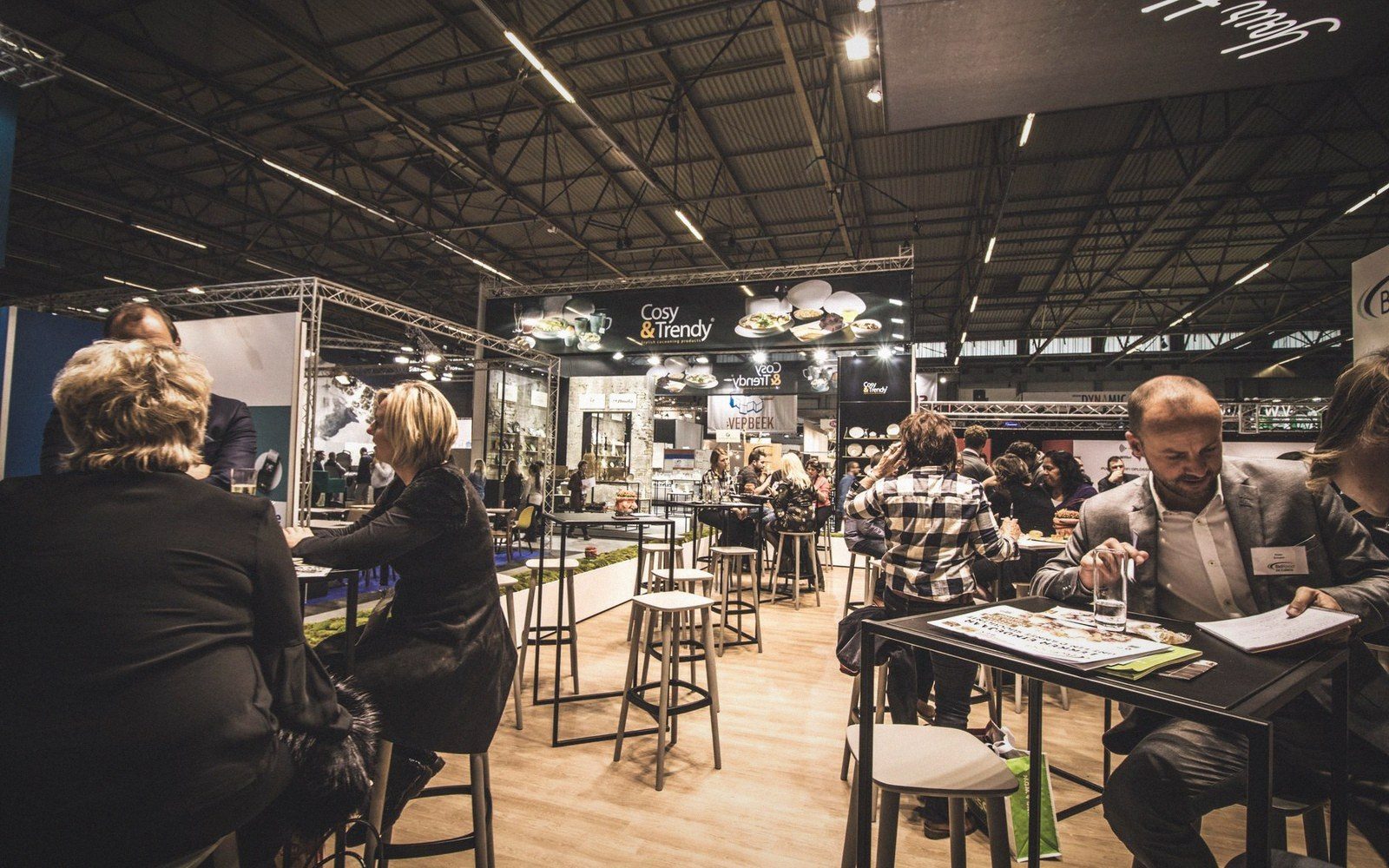
The build in reverse under worse conditions: everyone leaving at once and the power going off.
Photo: Julian V / PexelsThe sequence nobody writes down
Build has a programme. Strike almost never does, which is why it costs more labour per hour than any phase of the show. The hall closes, the exhibitors leave, and forty stands begin coming apart simultaneously — each crew independent, each working outward from its own booth, each trying to reach the loading bay before the next.
The right approach is to think through dismantle order before load-in, not after the show closes. The decisions made during build — what goes on top of what, what gets glued versus clipped, where the cable runs terminate — determine exactly how difficult the strike will be. A stand built with dismantle in mind comes apart in a predictable sequence. One built for appearance alone comes apart in a fight.
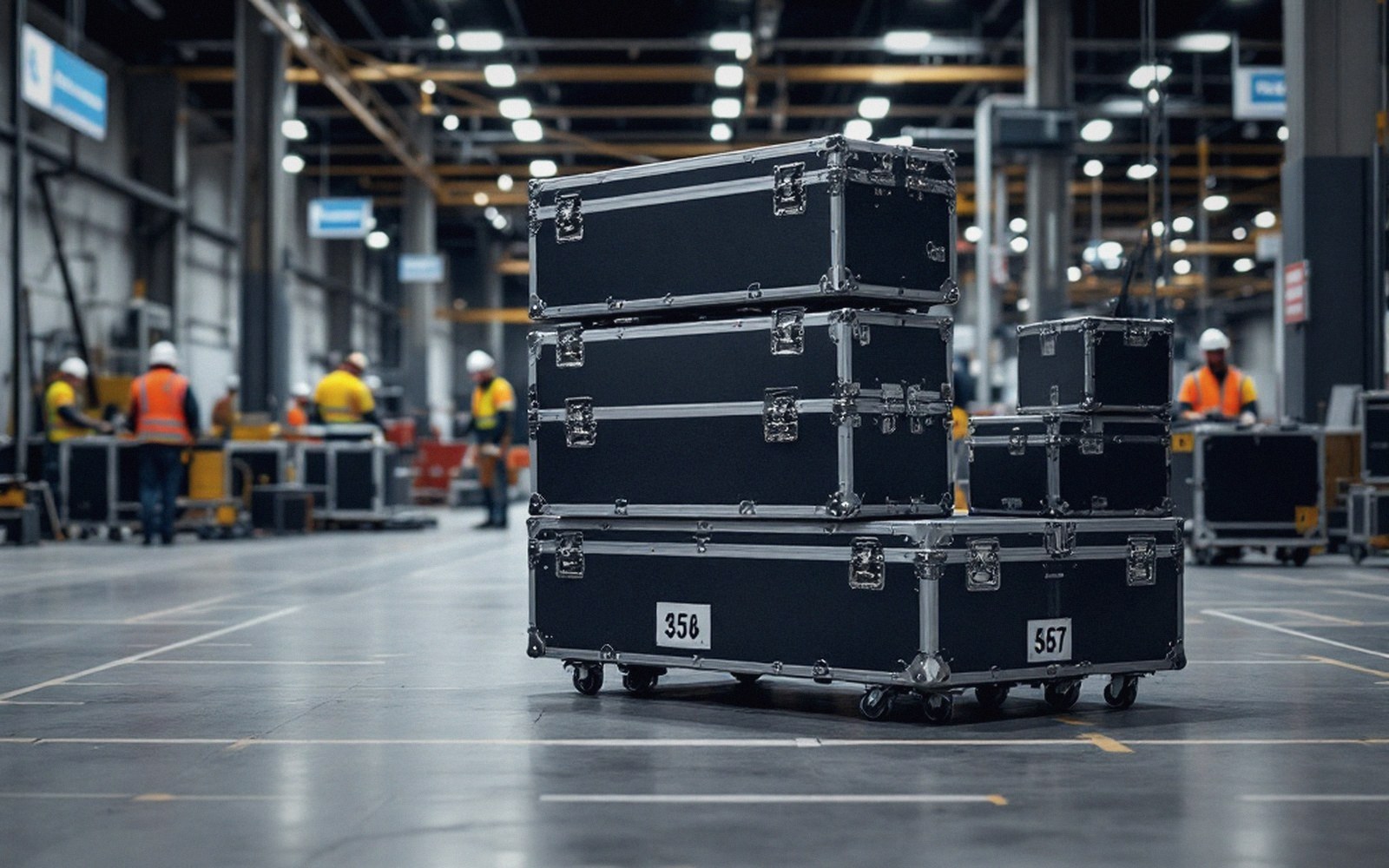 Fig. 02
The last thing in is the first thing out, which is why the numbering lives on the part.
The structural logic runs bottom-up during build and top-down during strike. Lighting comes down first: fixtures are hot or recently hot, rigging points need to be released before the ceiling grid can be touched, and lamps are fragile enough to be broken by vibration from other work nearby. Graphics follow while the frame is still stable enough to give you a clean surface to work against. Then the frame itself, beginning at the top, then infill panels, then the primary structure. The raised deck — if there is one — comes last of all, because until the frame is gone you still need the walking surface and, more importantly, the cable management underneath it remains inaccessible until everything above is cleared.
Hard time, hard deadline
The venue has given you a window. It is not negotiable, and the penalty for overrunning it is real: additional hall hire by the hour is expensive, and a stand still partially standing when the next event's crew needs to access the hall is an immediate problem for everyone above you in the chain.
What compresses the window is always the same. Power to the stand goes off at, or shortly after, show close — usually before the work is half done. Battery lighting helps but degrades. Aisle access narrows as neighbouring stands shed their first layer of waste and packaging onto the floor. The loading bay, which ran on a scheduled rotation during build, is now a competition: every exhibitor's transport is trying to back in at once, and bay scheduling under strike conditions is considerably less orderly than during load-in.
- Lighting down firstfixtures are hot, fragile, and overhead rigging needs clearing before the ceiling grid moves
- Graphics off while the frame is stablea work surface helps
- Frame from top down: top sections, then infill panels, then primary uprights
- Raised deck lastwalking surface and cable access both needed until frame is clear
Flight cases return from wherever they were stored during the show — often in a remote hall or an external facility — and they need to arrive before you need to pack them, not after. The case that arrives twenty minutes late holds up the crew who is already standing with packed fixtures and nowhere to put them.
What should be labelled, and what should be left
Numbered cases and a simple manifest pay back during strike far more than they cost during build. Anything going into a case should be the same thing that came out of it; a crew that has to decide on the fly where a component belongs will slow to a fraction of its building pace. Hardware — connectors, bolts, clamps — migrates into the wrong case or onto the floor without a deliberate system, and a missing fastener during the next build is both a delay and a safety issue.
What is not going into a case should be clearly identified before the strike begins: waste material, damaged graphics, single-use carpet. Carpet and printed graphics are the two categories almost never recovered for reuse, and treating them as waste from the outset — having the skips positioned before the hall empties — removes a decision point from a moment when every decision costs time.
The structural logic runs bottom-up during build and top-down during strike.
The build gets the planning. Strike gets the consequences of however well the build went. Run the dismantle sequence in your head before the first panel goes up, because by the time the lights go out, it is too late to think.